If you’re bringing home a new dog, this first-time puppy checklist helps you organize your space, your gear, your routines, and your support network so those first days feel calmer for you and your pup. Keep this guide open while you shop, set up rooms, and map out the first month.
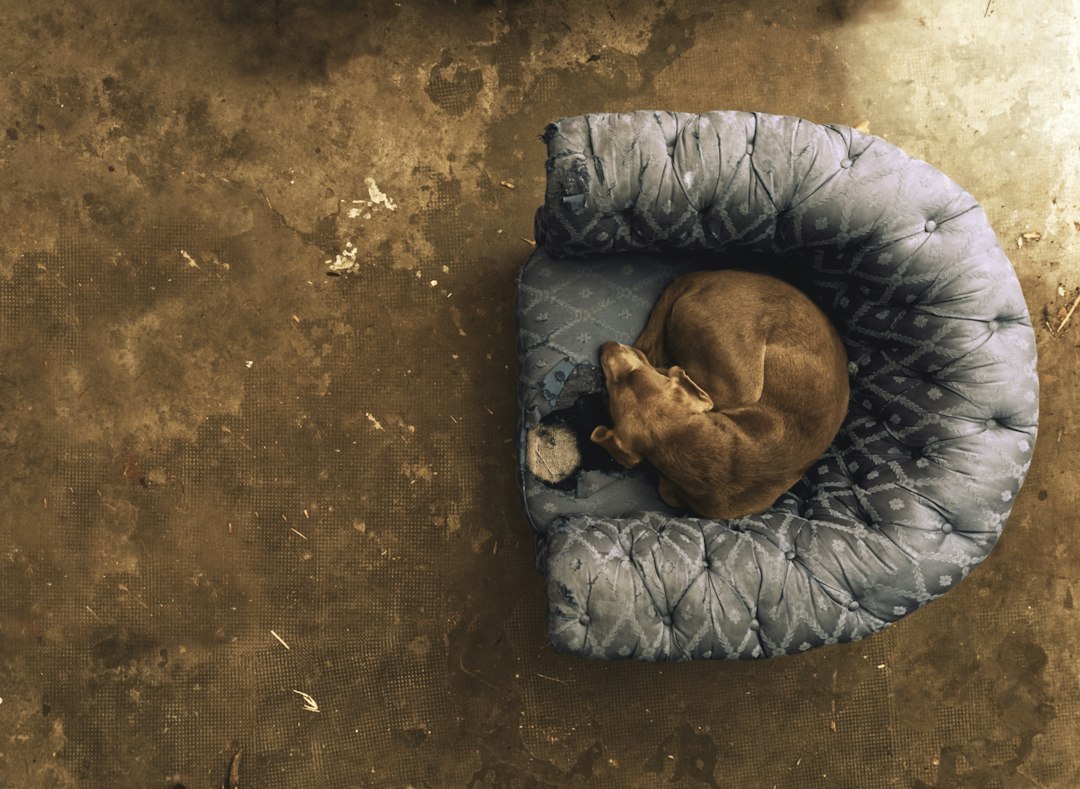
first-time puppy checklist: First-time puppy checklist at a glance
Here is a practical snapshot you can use as a quick run-through the day before pickup or as soon as you arrive home. It keeps the basics front and center while you build confidence with the details.
- Identity and records: collar, ID tag, microchip registration details, shelter or breeder paperwork, plus a simple folder for receipts and notes.
- Food and water: a starter supply of the food your puppy was already eating, two non-slip bowls, a measuring cup, and a plan for fresh water during the day.
- Resting spaces: a crate sized for growth with a removable divider, a washable bed or pad, and a quiet corner that can become your puppy’s den.
- Walking gear: a well-fitted Y-shaped harness, a flat leash, a waist leash for hands-free practice at home, and visibility accessories for low light.
- House care: enzyme cleaner, paper towels, a small trash can with lid, and a safe area with an easy-clean floor surface for supervised time.
- Comfort and enrichment: a few safe chew options, two or three soft toys, an easy food puzzle, and a simple snuffle mat to promote gentle foraging.
- Grooming basics: soft brush, puppy-safe wipes, a nail-care tool designed for small nails, a towel by the door, and a stable mat to stand on.
- Daily schedule board: a shared note or whiteboard to track meals, outings, rest, and short learning sessions so the whole household stays aligned.
- Support network: a welcome visit scheduled with a local veterinary team, reputable trainers bookmarked, and a trusted friend on call for backup.
As you gather items, label a small bin for each zone—doorway, kitchen, crate area—so everyone can grab what they need without searching. That simple system keeps momentum when your hands are full and your attention is split.
Choosing the right supplies: need-to-have vs nice-to-have
Pet aisles can overwhelm new owners with choice. You don’t need a perfect kit, and you don’t need every version of the same tool. Start lean, choose items that fit your household today, and upgrade once you learn your puppy’s preferences. The list below separates essentials from optional extras, with a few notes on why each matters.
Feeding gear
- Need-to-have: two stainless bowls with non-slip bases for easy cleaning; a measured scoop so meal sizes stay consistent; a silicone mat to catch drips and reduce sliding.
- Nice-to-have: a slow-feeder if your pup eats quickly; an elevated stand for larger breeds once your veterinary team says it’s suitable; a collapsible travel bowl for short rides or park visits.
Walking gear
- Need-to-have: a flat leash 1.8–2 m that is comfortable to hold; a Y-shaped harness with multiple adjustment points so fit stays secure as your puppy grows; an ID tag engraved with your phone number.
- Nice-to-have: a reflective band or clip-on light for night walks; a waist leash for hands-free practice indoors; a light rain poncho for you so you keep going in drizzle without rushing.
Resting gear
- Need-to-have: a crate large enough for adult size but used now with a divider; a washable bed or firm mat; a light blanket for comfort without overheating.
- Nice-to-have: a freestanding playpen for flexible management; a second bed for daytime naps in the living room so your puppy can relax near you while you work or read.
Toys and chews
- Need-to-have: two soft toys for gentle play; one or two safe chew options to support teething comfort and keep jaws busy after outings.
- Nice-to-have: a simple food puzzle that is easy to solve at first; a snuffle mat for short foraging sessions; a small toy basket so rotation is easy and novelty stays high without overspending.
Start with a minimal set for three reasons: it’s easier to tidy, easier to learn what actually helps, and easier on the budget. After two weeks, review what you used most and what needs replacing. If you notice, for example, that the silicone mat catches water effectively but the bowls drift, add a heavier base. Small adjustments compound into a setup that fits your home.
Puppy-proofing room by room
Puppies explore by sniffing, tasting, and pawing at edges. That curiosity is wonderful, and it can lead to cord nibbling or sprints through laundry piles. Making small changes to high-traffic zones saves you time and reduces the chance of mischief. Walk room by room, crouch down to your puppy’s eye level, and look for dangling items, swallowable objects, and wobbly stacks.
- Entryway: Place a shoe bin and coat hook within reach. Mount a small hook for the leash and harness. Add a towel basket plus a jar of soft wipes to handle damp paws on rainy days.
- Kitchen: Use cabinet latches for cleaning supplies. Keep trash inside a latched bin or behind a door. Create a feeding zone away from stovetops and foot traffic to lower spills and surprise encounters.
- Living room: Bundle cords with covers, relocate plants to shelves that are out of reach, and place a soft rug near the sofa where the puppy can rest while you relax nearby.
- Bedrooms: Close closet doors, move laundry hampers behind a door or inside a wardrobe, and keep a safe chew on the nightstand for calm nighttime routines.
- Bathroom: Keep toilet lids down and doors mostly closed. Store toiletries and razors inside cabinets. If you use bathmats, choose ones that don’t shed strings that can be pulled loose.
- Yard or balcony: Walk your fence line and secure gaps. Remove sharp tools. Provide shade with fresh water nearby, and supervise outdoor time while your puppy is still learning boundaries and recall.
Think of puppy-proofing as building “yes” spaces—areas stocked with acceptable things to sniff, chew, and nap on—so you spend less time redirecting and more time enjoying. When in doubt, add baby gates and a playpen to shape movement in early weeks. Structured freedom grows as your puppy shows they can settle calmly and make good choices in small doses.
Food, water, and a predictable starter schedule
Predictability helps puppies relax and learn. You don’t need a strict timetable to the minute; you need a gentle rhythm that repeats. This rhythm supports appetite, rest, and house care habits and makes patterns obvious to the humans in the home. Use the sample flow below as a starting point, then adapt to your own work hours and your puppy’s energy.
- Morning: quiet outdoor break, breakfast, brief play, nap. Keep play low-arousal after meals.
- Midday: outdoor break, lunch if your puppy is still eating three meals, one short learning game, then nap.
- Afternoon: outdoor break, gentle enrichment like a snuffle mat or simple food puzzle, then calm time in the crate or on a mat.
- Evening: outdoor break, dinner, a light play session, a soothing wind-down routine, and a final outdoor break before bed.
If you plan to change foods, ask your veterinary team for guidance and transition gradually so digestion stays comfortable. Keep fresh water available, rinse bowls daily, and wash the silicone mat every couple of days. Track meals, breaks, and naps on your whiteboard or shared note. A week of notes often reveals small tweaks—like offering the food puzzle earlier in the afternoon—that help your puppy settle sooner in the evening.
Crate and sleep: making nights calmer
A crate is your puppy’s bedroom, not a timeout box. Introduce it as a cozy fort with the door open. Scatter a few bits of kibble inside, lay a familiar-smelling blanket, and sit nearby while your puppy explores. The aim is to build a habit of choosing the crate voluntarily, not to rush straight to long stays. When the crate feels safe, nights tend to go more smoothly for everyone.
- Place the crate near your bed for the first nights so your puppy can hear you breathe. Many pups settle faster with that quiet companionship.
- Offer a safe chew or an easy food puzzle at bedtime. The goal is gentle engagement that ends in drowsiness.
- Use a consistent good-night cue, dim lights, and keep late-evening activity low-key. Calm rituals help bodies and brains slow down.
- If you take your puppy out during the night, keep interactions neutral and brief. Save play for morning so nighttime trips don’t turn into parties.
If the crate seems cavernous, install a divider so the interior feels snug. Many puppies relax when the space is just big enough to lie down and stretch. If you notice restlessness, try small adjustments: a lighter blanket if the room is warm, a quieter space if late-night noises cause excitement, or a white-noise machine for apartment living. Small experiments make a big difference.
House care basics: bathroom routines and cleanup strategy
Accidents are part of learning. A simple plan reduces stress and speeds up progress. Start with a consistent bathroom spot outdoors. Head there after waking, after meals, after play, and before bed. Keep your puppy on leash in the yard during the first days if needed, which reduces distractions and helps you notice the moment you can quietly praise.
- Use a calm phrase when your puppy is in the act. When they’re done, praise gently and head back inside. Keep the outing focused and short so the habit forms cleanly.
- Indoors, clean promptly with an enzyme-based product and move on. Lingering scents can confuse young noses, and frustration slows learning.
- Track successes and accidents on your schedule board. If a pattern appears—say, a mid-afternoon miss—adjust your timing by 20–30 minutes for a few days.
- For apartment living, map fast routes to green spaces. A small umbrella and a pre-packed bag by the door save time when clouds roll in.
House care changes across the day. Morning bladders may be full, afternoon play may trigger quick “need to go now” signals, and evenings can be long stretches of relaxed monitoring. Stay patient, keep towels handy, and treat each mistake as information. Calm consistency is the best teacher in this chapter.
Socialization and enrichment: a gentle exposure plan
Early experiences shape confidence. Your role is to guide short, safe exposures followed by rest. Aim for variety rather than intensity. Two minutes of watching kids play from a comfortable distance is more valuable than a long, overwhelming session. Let your puppy’s body language set the pace: loose posture and soft eyes say “this makes sense,” while a tucked tail or frozen stance calls for distance and a slower plan.
- Sights and sounds: different floor textures, umbrellas opening, hats, rolling carts, doors that click, buses from afar, and household noises like vacuums at a low volume.
- People: adults in different clothing, supervised time with calm children, and brief hellos with people using mobility devices. Keep introductions gentle and optional.
- Environments: quiet streets, a friend’s porch, a pet-friendly store during off-hours, and short car rides that end in something pleasant like a sniffy walk.
- Handling: seconds-long touches of ears, paws, tail, and collar paired with tiny food rewards so everyday care feels routine later.
Keep a simple socialization log: date, new thing, distance, and how your puppy responded. Over a few weeks you’ll build a map of experiences that felt easy and ones that need more space. If you want a plan tailored to your home and neighborhood, a qualified trainer can help you sequence exposures thoughtfully and teach you to read canine body language with more nuance.
First outings and car rides: gear and etiquette
A calm first walk teaches more than a long one. Focus on gear comfort, a handful of easy steps, and returning home without drama. Early outings are about learning that the leash predicts interesting things and that you return to a safe, cozy den when the exploring is done.
- Check harness fit before you step outside. You should be able to slip two fingers under each strap without pinching and without seeing obvious gaps.
- Practice a few steps near your doorway. Reward a glance up at you, then step back inside. Repeat once or twice, keeping it simple and upbeat.
- Keep early walks short: sniff a bush, watch the street from a distance, and head home. Quality beats length at this stage.
- Carry a small pouch of soft food rewards and a poop bag roll. Reinforce check-ins and calm behavior, especially around new sights.
- For car practice, start with the engine off. Sit together in the parked car for a minute, offer a tiny reward, hop out, and play. Build to short, relaxed drives.
Etiquette grows from comfort. A puppy who feels safe will naturally look to you for information when the world gets noisy. As confidence rises, lengthen walks by a few houses and expand your circle of familiar routes. Keep one or two very simple walks in rotation—like a lap around your block—so your puppy has easy wins between new adventures.
Health essentials: records, contacts, and a care team
Gathering key documents and contacts early helps you respond calmly to routine needs. Use a small folder or a digital note to store shelter or breeder records, microchip information, and any previous health notes. Add your local veterinary clinic’s phone number, after-hours clinic locations, and a trusted neighbor’s contact in case you need a quick hand.
- Book a welcome visit with a local veterinary clinic to establish care and discuss a plan suited to your puppy’s age, breed, and lifestyle. Share your schedule and travel habits; context helps them offer practical advice.
- Ask about nutrition, common hazards in your area, and how to lower exposure to parasites and harmful plants. Build habits at home that align with that advice.
- Store contacts in your phone and on the fridge. In a busy moment it helps to see everything in one place without searching.
- Track observations—changes in appetite, energy, bathroom patterns, or behavior—so you can share clear notes if questions arise.
Health conversations are easier when you keep records and focus on daily routines you can maintain. Your goal is to build a team around your puppy—a clinic for medical questions, a trainer for learning support, and a friend who can step in during long days—so you never feel like you’re figuring things out alone.
Day-one learning: tiny games, big impact
Learning starts with the smallest reps. Two- to three-minute games sprinkled through the day build good habits without exhausting anyone. Think of these activities as part of living together rather than a separate “class.” The tone stays light, the rewards stay tiny, and progress moves in micro-steps.
- Name game: say your puppy’s name once; when they glance at you, mark the moment with a cheerful “yes” and deliver a small food reward. Repeat in easy rooms.
- Hand target: present your palm close by; when your puppy taps it with their nose, reward. This becomes a steering wheel for doorways and turns on walks.
- Sit at calm times: catch natural sits by quietly rewarding them. Over days, sitting becomes a default “polite ask.”
- Come indoors: practice recall inside: say a cheerful cue, jog backward a step, and reward when your puppy reaches you. Keep it playful and brief.
- Settle on a mat: toss a treat onto a small mat, then deliver another between paws when your puppy lies down. Build short, peaceful pauses while you drink coffee or answer a message.
When a mini-session ends, reset your space by returning toys to the basket and treats to a sealed container. That small ritual helps you stay organized. As your puppy grows, layer slightly more complex games: gentle leash walking in hallways, waiting for a release word at doors, and short “leave it” exercises with a boring item on the floor. Keep criteria clear and progress in tiny steps.
Common early hiccups and how to respond
Most first-time questions sound familiar across households. The goal is not perfect behavior; it’s steady progress and a safe home. The responses below preserve calm and momentum while you learn your puppy’s signals.
- Whining at night: move the crate closer, place a worn T-shirt with your scent in the bed, shorten pre-bed excitement, and consider a brief middle-of-the-night bathroom break. Keep that break quiet and businesslike.
- Nipping during play: swap your hand for a toy, pause the game the moment teeth touch skin, and resume when your puppy is calm. Many pups need shorter, gentler sessions to avoid over-arousal.
- Chewing furniture: set up a chew station and praise when your puppy uses it. Offer variety—soft, rubbery, and textured items—and rotate daily to keep interest high.
- Leash pulling: practice inside first. Reward a slack leash for three to five steps, stop when it goes tight, and move again when slack returns. Tiny loops create a habit faster than long marches.
- Jumping on guests: greet with your leash on; reward four paws on the floor; ask friends to kneel and angle their bodies slightly sideways to lower excitement.
- Reluctant to eat: reduce distractions, serve meals on a mat, keep mealtime short, and note any pattern. If appetite changes persist, call your veterinary team for advice.
When in doubt, scale down the challenge, add rest, and try again later. Puppies do a lot of learning while they sleep. Many behaviors you worry about in week one look entirely different by week four if you keep sessions short and consistent.
Maintenance as your puppy grows
The best checklist evolves with your puppy. Growth spurts, increased stamina, and changing interests all call for small revisions. A monthly tune-up keeps your setup working for you rather than against you. Use the cues below as prompts to review gear, routines, and goals in a predictable cadence.
- Outgrowing gear: check harness fit monthly; straps should lie flat and snug without rubbing. Revisit crate size and divider placement as legs lengthen. Replace chews that are too small to be safe.
- Energy shifts: as stamina grows, sprinkle in slightly longer enrichment sessions—nose-work games or gentle fetch—balanced with ample naps. Track how much recovery your puppy needs after new experiences.
- Household rhythms: rotate who handles morning routines so your puppy is comfortable with different family members. Share a simple checklist for babysitters or friends who might help.
- Learning goals: refresh basics weekly and add a new skill every couple of weeks: a relaxed “stay,” polite doorways, or a calm greeting sequence. Keep sessions brief so progress stays upbeat.
- Budget and supplies: note what you replace most often—wipes, poop bags, favorite chews—and keep a small cushion in your budget for gear growth spurts. Durable items maintained well often cost less over the year.
- Seasonal tweaks: adjust walk times in hot weather and place water bowls in cooler spots. In winter, rinse paws after salty sidewalks and dry thoroughly on your doorway mat.
As you refine your routines, bookmark trusted resources so future questions feel lighter. For related reading and updates, visit the Pet Companionship hub on our site, where we publish friendly, realistic guidance for everyday life with animals. A clear plan, tidy bins, and gentle expectations go a long way. The rest is daily practice, quiet naps, and a bond that grows from many small, kind choices.