Pet Companionship changes the feel of a home in ways people notice before they can explain them. A room gets quieter in a good way. Meals, walks, cleaning, play, and rest begin to settle into a pattern. That pattern can steady the whole day, and it often starts with something small, like a pet waiting by the door at the same time every afternoon.
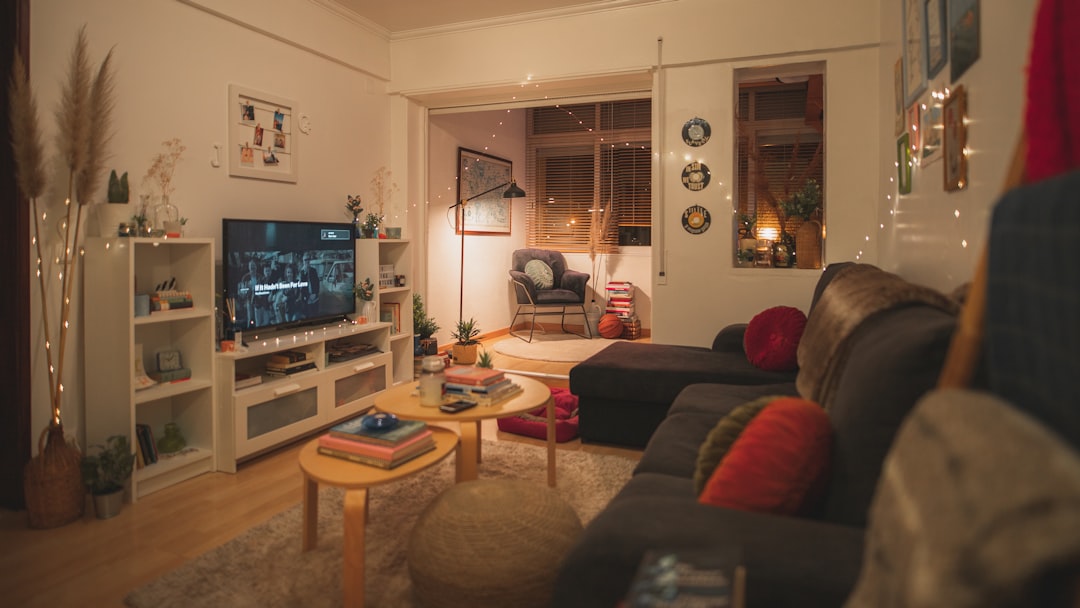
The best part is rarely a dramatic moment. It is the repeated, ordinary stuff. Water bowls get refilled without a second thought. Leashes, toys, brushes, and blankets find their places. Someone pauses between tasks to sit on the floor for a minute. That is where a bond starts to feel real. Not in a perfect photo, but in the rhythm of a normal day.
People sometimes talk about pets as if they simply bring joy. They do that, but they also change timing, attention, and the way a home carries sound. A dog can pull a person outside before the morning has a chance to become a blur. A cat can turn a quiet room into a shared space. A rabbit, bird, or other companion animal can make a small apartment feel less empty. The details differ, but the pattern is similar. Pet Companionship is a daily relationship, not a decorative extra.
How Pet Companionship changes the rhythm of a home
When a pet enters a household, the home stops being only a place to finish tasks. It becomes a place with cues. Someone hears the food container, and the pet appears. The sound of keys by the front door means a greeting. The end of the workday turns into a walk, a brushing session, or a few minutes on the couch. These repeated cues make the day easier to read. They also make the home feel more alive.
That rhythm matters because humans are not built to live in a featureless stream of work and noise. We tend to feel better when the day has anchors. A pet can become one of those anchors. The pet does not need a grand plan. It only needs a home that offers some consistency. In return, the people in that home often get more structure than they expected. Even a short pause to check a water bowl can create a break in a busy mind.
There is also the social side of it. Pet Companionship often opens small conversations with neighbors, family members, or coworkers. Someone asks about a dog breed. Someone else wants to know how the cat adjusted to the new apartment. These exchanges are simple, but they help a home connect to the outside world. For people who live alone, work from home, or spend long hours in quiet spaces, that connection can matter a great deal.
A good way to think about it is this. A pet does not solve a life. It changes the texture of one. The texture becomes softer, noisier, more active, more scheduled, and sometimes a little messy. If that sounds ordinary, that is the point. The ordinary pieces are what make the bond feel real.
- Daily cues become easier to notice.
- Small routines become more visible.
- Quiet spaces feel less empty.
- Homes gain a steadier sense of timing.
Choosing the right animal for the life you already live
People often start by asking what kind of pet they want. A better question is what kind of life they already have. A person who travels often will need a different setup from someone who works from home. A family with young children will need a different rhythm from a retiree in a small apartment. Pet Companionship works best when the animal and the household fit each other in practical ways.
Here is a simple comparison that helps narrow the choice without turning it into a fantasy.
| Animal | What it often fits | Daily pattern | What the home should provide |
|---|---|---|---|
| Dog | Active homes, predictable schedules, people who enjoy being outside | Walks, food, bathroom breaks, play, close contact | Time, walking routes, backup help when plans shift |
| Cat | Homes that like a quieter bond and a flexible routine | Feeding, litter care, play bursts, rest time | Resting spots, scratching posts, calm indoor spaces |
| Rabbit or similar small companion animal | Careful households with space for gentle handling | Feeding, cleaning, supervised floor time | Safe enclosure, quiet corner, steady handling habits |
| Bird | Homes that can handle sound, attention, and interaction | Social time, cleaning, enrichment, calm rest periods | Appropriate cage space, routine, and noise awareness |
The point of the table is not to rank one animal above another. It is to make the tradeoffs visible. A dog may be a wonderful match for a person who enjoys structure and movement. A cat may suit someone who wants affection without a strict outdoor routine. A small companion animal may fit a quieter home, while a bird may thrive where people are home often and can give attention at regular intervals.
A useful test is to imagine an average Tuesday, not a perfect weekend. Who gets up first. Who leaves the house. Who comes back late. Who can step in if plans change. If your imagined Tuesday already feels tight, the right match may be the one that fits inside that life, not the one that forces a new life into place.
The first weeks are about trust, not performance
New pet owners sometimes try to do everything at once. They want the ideal feeding schedule, the ideal sleeping spot, the ideal play routine, and the ideal greeting ritual. That urge is understandable, but it can make the first weeks harder than they need to be. In the beginning, the goal is trust. The pet needs to learn that the home is predictable and that the people in it are not random sources of noise.
Predictability is more useful than excitement. A bowl in the same place matters. A quiet corner matters. A door opening the same way each morning matters. If you change too many things too fast, the home can feel unstable. That is true for dogs, cats, and smaller animals too. They may react differently, but they all notice patterns. Small, repeatable actions build confidence faster than big gestures.
It helps to think in terms of gentle boundaries. Decide where food goes. Decide where sleep happens. Decide which rooms are off limits at first, if any. Decide who handles what, especially in a shared household. Then keep those decisions simple enough that everyone can remember them. If the rules are easy to follow, people are more likely to follow them. The pet benefits from the calm that comes with that consistency.
During this stage, I like a basic checklist.
- Keep feeding times close to the same each day.
- Use the same words for important cues.
- Offer a quiet place to rest.
- Limit sudden changes in noise, visitors, or furniture layout.
- Watch for what makes the pet relax, not only what makes it react.
The early weeks do not have to look polished. They just need to feel safe, slow, and repeatable. If that sounds less exciting than people expect, good. Trust usually grows in the ordinary moments.
Rituals that make Pet Companionship feel steady
Once the first stretch settles down, routines start doing a lot of the work. Morning food, a walk, a brushing session, a quick toy game, or a quiet sit on the couch can become the shape of the day. The ritual does not need to be long. It only needs to be reliable enough that both the human and the animal know what comes next.
Morning rituals tend to set the tone. A short walk can help a dog burn off energy and let a person step into daylight before screens take over. A feed-and-clean routine can help a cat settle. A cage check, a water refill, and a few minutes of attention can give a bird or small animal a clearer sense of the day. These are not glamorous actions. They are useful because they reduce friction before the day has a chance to become crowded.
Evening rituals matter just as much. Many homes feel chaotic late in the day because people are tired and attention is scattered. A small repeatable sequence can bring the temperature down. Put toys away. Check water. Lower the noise. Sit in the same spot for ten minutes. Do the same short routine enough times, and it starts to feel like a signal. The pet learns that rest is coming. The people learn it too.
Here is a simple three-part rhythm that works in a lot of homes.
- Start the day with movement, food, or a calm check-in.
- Use the middle of the day for a small reset, even if it is only a minute or two.
- End the day with a quiet routine that helps everyone settle.
Pet Companionship becomes easier when rituals are clear enough to repeat and simple enough to survive a busy week. The best rituals are the ones you can do on an ordinary day without feeling like you are performing for anyone.
Reading signals without turning everything into a project
One of the biggest shifts in living with animals is learning to pay attention without getting anxious about every little move. Pets communicate constantly, but not always in ways that humans understand at first. A dog may pace near the door because it wants a walk, or because the room feels crowded. A cat may hide because it wants quiet, or because the household has become noisy. A bird may vocalize more when it wants engagement, but also when the environment feels unfamiliar.
The trick is to notice patterns over time. Single behaviors are easy to misunderstand. Repeated behaviors tell a clearer story. If a pet seems relaxed after a walk, that says something. If the same pet gets restless when visitors stay too long, that says something else. Look for changes in posture, appetite, sleep, grooming, and willingness to interact. A small change for one day may be nothing. A change that keeps showing up deserves attention.
It also helps to separate observation from panic. Many people see one odd moment and start building a theory. That can lead to overreacting. A steadier approach is to write down what happened, when it happened, and what changed around it. Was the room louder. Was the schedule different. Was the pet around new people or pets. Was there less exercise, less sleep, or less space. That kind of note-taking can reveal a simple cause that is easy to adjust.
Use this rough guide when you are trying to read behavior.
- Relaxed posture often means the environment feels manageable.
- Repeated hiding may signal the need for more quiet.
- Restlessness can point to boredom, stress, or too little movement.
- Changes in eating or drinking habits deserve closer attention.
- Sudden shifts that last more than a day or two are worth asking a vet or behavior professional about.
This is not about becoming obsessed with every glance or step. It is about becoming a better listener. Pet Companionship deepens when people learn to read the smaller signals and respond with calm, not drama.
Different households need different setups
There is no single right way to live with a pet. A solo worker in a studio apartment has different needs from a family with three children. A couple who both leave early will need a different setup from an older adult who stays home most of the day. The animal may be the same species in all three homes, but the arrangement around it changes everything.
In a smaller apartment, space planning matters more than people expect. Resting spots need to be clear. Storage has to stay simple. Noise travels faster, so a bark, a scratch, or a heavy toy can affect the whole day. In a larger house, the challenge is often distance. People assume there is more flexibility, but a larger space can also make it easier for a pet to feel isolated in one room. The answer is not more square footage. It is better use of the space.
Families with children need clear rules that keep both the pet and the kids comfortable. Children do well with repetition. They like to know when they can help, when they should stay back, and how to approach the animal. Older adults may prefer a quieter companion, but that does not mean they need a passive one. They may enjoy a pet that brings movement to the day without demanding long outings. Roommate homes need another layer of coordination. Who feeds. Who cleans. Who handles weekends away. Who pays for what. If those answers stay fuzzy, resentment tends to follow.
Some homes do better with the following setup.
- One clear person handles the main routine.
- One backup person knows the schedule.
- One calm space stays available to the pet.
- Visitors learn the household rules before they arrive.
- Children learn how to be gentle before they are given responsibility.
Pet Companionship becomes much easier when the setup matches the household instead of forcing the household to copy someone else’s idea of the ideal pet life.
Keeping Pet Companionship steady during busy weeks
Busy weeks are where many good routines wobble. Work runs late. A child gets sick. Someone has to travel. Friends visit. The pet does not understand why the pattern changed, but it notices the change all the same. That is why fallback plans matter. A pet household should not depend on the idea that life will stay neat.
A fallback plan does not need to be complicated. It just needs to be written down and easy to hand to another person. List the feeding times. List the amount of food. Add notes about walks, litter care, cleaning, favorite resting spots, and any habits that help the pet settle. Include contact information for the vet and a trusted sitter or neighbor. When a person has to leave quickly, those notes save time and reduce mistakes.
Shorter routines can also keep the bond steady when the schedule gets crowded. If the usual walk has to become a ten-minute walk, make that ten minutes calm and focused. If play time has to shrink, keep the same toy or cue so the pet still recognizes the pattern. A few minutes of reliable attention is better than a long burst that happens only once in a while.
A simple busy-week kit can include:
- Extra food stored in a clear container
- Backup water bowls
- Leash, waste bags, or litter supplies in one place
- Written routine notes for a helper
- A favorite blanket, toy, or resting item
The biggest mistake during a busy stretch is acting like the pet can read your intent. It cannot. It reads the pattern. Keep the pattern as steady as you can, and the home stays easier to live in for everyone.
Multi-pet homes and family rules
When more than one animal lives in the same home, Pet Companionship becomes a little more complex. Some pets enjoy company. Some prefer space. Some will share easily in one area and become defensive in another. The mistake many people make is assuming that affection alone will smooth everything out. It often helps, but only if the home is set up with care.
Separate resources reduce tension. That means separate food areas, separate resting spots, and enough space so one pet does not have to guard everything. Even a friendly pair can get cranky if they have to compete for the same bowl or the same corner of the sofa. Clear zones make life easier. They also make it easier for humans to spot changes in behavior. If one pet suddenly stops entering a certain room, that is useful information.
Family rules matter too. Children need to know that not every pet wants the same kind of attention at the same time. Some animals want quiet. Some like hands-on play. Some need to be left alone during food time or sleep time. If the rules are simple, children can follow them. If the rules are vague, adults end up correcting the same thing again and again.
Here is a family rule set that keeps things grounded.
- One person opens the door or gate at a time.
- Food stays in its own spot.
- Resting places are not for rough play.
- Children ask before picking up or approaching a pet.
- New pets enter the home slowly, not all at once.
A multi-pet home can be warm and lively. It can also be chaotic if the rules are made up on the fly. The calmer the setup, the more likely the animals will settle into their own roles without constant friction.
The money, time, and cleaning side
People love talking about the emotional side of pets. They talk less about the budget, the cleaning, and the time cost, but those are the parts that shape the long term. If the practical side is ignored, even a good match can become stressful. Pet Companionship works best when the household knows what it can actually support.
A monthly budget is easier to manage than a vague sense that things will work out. Food, bedding, litter or waste supplies, toys, brushes, replacement parts, and sitter help all add up. Some months are quiet. Others are not. Saving a little each month can make bigger bills less jarring. A predictable routine also helps you spot waste. If you are buying the same item over and over, maybe the home needs a more durable option.
Cleaning is part of the relationship, not separate from it. Floors, blankets, bowls, cages, litter boxes, and corners all need attention. The more organized the storage, the less annoying the work becomes. Keep supplies in one place. Put cleaning tasks on a simple schedule. If the chores are scattered, they start to feel bigger than they are. If they are grouped, they become part of the rhythm, like everything else.
Time is the hardest resource to fake. A pet can live in a home with a full calendar, but only if the daily pieces still happen. That may mean shorter television nights, shorter sleep-ins, or a willingness to ask for help. It does not mean the home has to be perfect. It means the home has to be honest about what it can sustain.
| Cost or task | Why it matters | Simple way to handle it |
|---|---|---|
| Food | Daily consistency | Buy on a steady schedule |
| Cleaning supplies | Helps keep the home manageable | Store in one easy-to-reach place |
| Backup help | Useful when plans shift | Keep one sitter or helper in mind |
| Replacement items | Bowls, bedding, toys wear out | Set aside a small reserve each month |
Keeping the bond fresh over the long run
After the first excitement fades, long-term Pet Companionship depends on attention that does not become automatic. The pet grows older. The household changes. Work patterns shift. A bond that felt new can start to feel invisible if nobody keeps feeding it with time and curiosity. The good news is that keeping it fresh does not require a big reinvention.
Small changes help. A new walking route. A new toy rotation. A short brushing session that becomes a calm ritual. A different place to sit together in the evening. A few minutes of focused play with no phone in hand. These are not dramatic, but they keep the relationship awake. Pets notice when attention is real. They also notice when it is half-hearted. The same goes for humans, by the way.
Long-term care also means updating the routine as the pet changes. A younger animal may need more movement. An older one may need a quieter pace, softer rest spots, or shorter bursts of activity. Household changes matter too. A move, a new child, a new job, or a new roommate can alter the whole rhythm. A flexible household can adjust without losing the bond.
If you want a simple long-term check, ask three questions every few months.
- What part of the routine still works well?
- What part feels rushed or awkward now?
- What small change could make the next month easier?
Pet Companionship lasts when people keep noticing the pet as an individual, not as a background feature of the house. That is the real work. Not perfection. Not constant excitement. Just enough attention to keep the relationship alive and clear.
What a steady bond looks like in real life
In real life, a good bond usually looks quieter than people expect. It looks like a pet waiting near the door because it has learned your timing. It looks like a person pausing to refill water without being asked. It looks like a family knowing when the dog needs a walk, when the cat needs space, and when the bird needs the room to settle. It looks ordinary because ordinary is where the relationship lives.
If you are trying to build or improve Pet Companionship, do not chase a fantasy version of it. Build the version your household can actually keep. Make the routine simple. Make the signals clear. Keep the space calm enough for both humans and animals to read it. That is usually what makes the difference between a pet that is merely present and a pet that feels woven into the life of the home.
If you want more pieces in this same area, I keep a running list at joellives.com. The best ideas usually come back to the same point. A good bond is built in small moments, repeated with enough care that they start to feel like home.