1920’s interior design blends Art Deco glamour with bold geometry, rich materials, lacquer and mirrored surfaces, brass and chrome, and jewel tones, alongside early modernism’s clean, functional lines and industrial materials; that mix is the hallmark of the style.
To get the look quickly, anchor the room with one statement piece like a velvet sofa or fluted headboard, add a geometric rug or wallpaper, switch to warm 2700K–3000K sculptural lighting, and layer metallic accents and mirrors; a fast refresh typically runs about $500–$2,000, while fuller room makeovers often land between $3,000 and $10,000+ depending on material authenticity and vintage sourcing.
1920’s interior design at a glance: the fast answer
Two major currents shaped the decade. One is Art Deco, the glamorous, streamlined look seen in theaters, ocean liners and early skyscrapers: stepped profiles, sunbursts, chevrons, fan motifs, lacquered wood, high-gloss veneers, mirrors, brass and chrome. The other is the Bauhaus/International current, which favored functional forms, tubular steel, planar surfaces and little ornament. Many homes mixed them—Deco for drama, modernism for everyday function—so you can, too.
Try this quick-start recipe for a living room that reads 1920s without feeling theme-y. Choose one hero piece (a curved velvet sofa, a cocktail cabinet, or a fluted headboard if it’s a bedroom). Add one clear geometric pattern (a chevron or trellis rug, a fan-motif wallpaper on one wall). Replace at least two light sources with warm 2700K–3000K bulbs in a sculptural fixture such as a skyscraper pendant or stepped glass sconce. Finally, float metallic accents—mirror, brass pulls, a chrome drinks trolley—around the space so the eye catches light at different heights.
Budgets and timelines:
- Weekend refresh, $500–$2,000: rug or wallpaper, two lighting swaps, a few hardware changes, one accent mirror; 48 hours including cleanup.
- Room update, $3,000–$6,000: add a statement sofa or bed, reupholster one chair, new rug or wallcovering, two to three fixtures, layered drapery; 2–3 weeks due to ordering lead times.
- Fuller makeover, $8,000–$15,000+: custom headboard or built-ins, marble or stone side tables, multiple upholstery projects, vintage fixture rewiring and refinishing; 2 months for sourcing and fabrication.
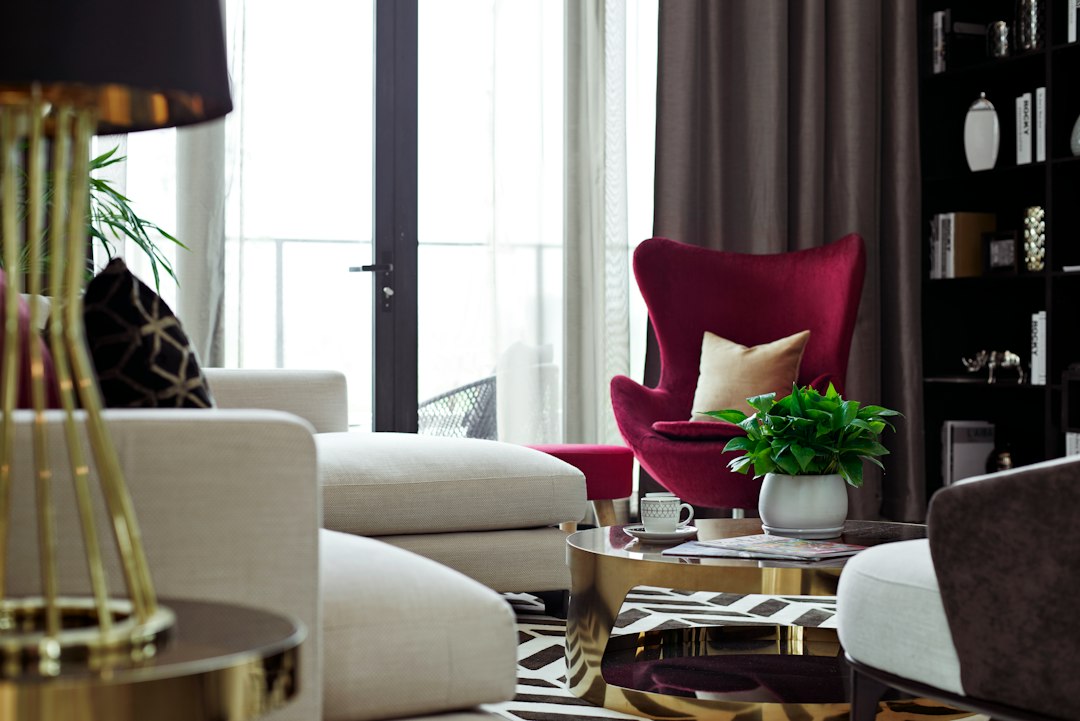
Choose your 1920s lane: Deco vs Bauhaus/International vs Revival
Think of the decade as a menu with three distinct flavors. Art Deco brings drama and sheen. Bauhaus/International brings minimalism and efficiency. Revivalism (from Spanish and Tudor to Neoclassical) brings historical romance that was still popular in homes. Selecting one as dominant and a second as a supporting character helps your room feel intentional.
| Style | Forms | Colors | Materials/Finishes | Typical Budget Level | Maintenance/Durability | Best Rooms/Uses | Who it suits |
|---|---|---|---|---|---|---|---|
| Art Deco | Stepped, zigzag, sunburst; curved silhouettes; symmetry | Jewel tones (emerald, sapphire, amethyst), black/ivory, gold accents | Lacquered & veneered wood, brass/chrome, mirrored glass, marble | Mid to high, depending on materials | High-gloss shows smudges; brass needs occasional polishing; mirrors need careful handling | Living rooms, dining rooms, entries; statement bedrooms | Anyone who enjoys glamour and bold geometry |
| Bauhaus/International | Rectilinear planes, tubular steel, cantilevered forms | Neutrals, primary accents (red, blue, yellow) sparingly | Tubular steel, chrome, painted wood, linoleum, simple fabrics | Low to mid; less ornament drives cost down | Metal finishes resist wear; fewer fragile surfaces | Home offices, kitchens, small spaces that benefit from visual lightness | Minimalists and function-first homeowners |
| Revival (Spanish, Tudor, Neoclassical) | Arches, beamed ceilings, paneled walls; traditional profiles | Earth tones, creams, deeper neutrals; touches of gold | Stucco, carved wood, ironwork, patterned tile | Mid; authentic details raise cost | Natural materials age gracefully; repairs require craftspeople | Bedrooms, kitchens, and whole-house contexts with period architecture | Those who prefer warmth and history over shine |
How to blend without clashing: pick one dominant language. For example, let a Deco chandelier and sunburst mirror lead a room, while the sofa and shelves follow Bauhaus simplicity. Or reverse it: keep the main furniture crisp and modern, and deploy Deco through a drinks trolley, fan-patterned cushions and a chevron rug. A good ratio is 70 percent dominant, 30 percent supporting.
Colors, materials, and patterns that scream 1920s
Color recipes are simple if you think in ratios. For a Deco-forward space, try a 60-30-10 split: 60 percent neutral walls in ivory or pale gray, 30 percent jewel-tone upholstery or drapery (emerald, sapphire, aubergine), and 10 percent metallic (brass or chrome) through lighting and hardware. Black and gold is a classic high-contrast pairing best used as accents on trim, frames, and lamp bases.
For modernist rooms, keep walls light and add one or two primary color hits—red, blue, or yellow—through art or a single chair. If you prefer a softer palette, 1920s pastels such as dusty rose or duck egg can work when paired with stronger geometry and reflective surfaces.
Surface materials set the tone. Lacquered and veneered woods create sheen and depth, especially in cocktail cabinets and nightstands. Mirrored glass visually enlarges rooms and echoes the era’s love of reflection. Marble or stone tops bring weight and coolness. Shagreen (real or faux) adds texture to boxes and side tables. Metal choices were split: brass reads luxe and warm; chrome reads crisp and modern. Choose brass where you want warmth—bedside lamps, cabinet pulls—and chrome where you want precision—tubular frames, bathroom fixtures.
Motifs and scale matter. Sunbursts, chevrons, fans, and stepped profiles are the signature. Use large-scale patterns on rugs or a single wallpapered wall to avoid visual noise, and reserve smaller scales for pillows and trims. If your room is small, think vertical: a skyscraper-style lamp or stepped bookcase draws the eye up without crowding the floor.
Room-by-room guide: living room, bedroom, kitchen, bath
Living room. Start with velvet or mohair seating, a geometric rug, and a drinks trolley or cocktail cabinet. Arrange furniture in balanced pairs to nod to Deco symmetry. A sunburst mirror above a mantel or console delivers instant period flavor. If you’re planning the layout from scratch, this guide to interior design planning helps you map the sequence before buying anything.
Bedroom. A fluted or channel-tufted headboard, lacquered nightstands, and a fan-motif wallpaper on the headboard wall establishes the look while staying restful. Keep the palette quieter—ivory, misty gray, a single jewel tone—and use soft lighting at 2700K for wind-down. Mirror-front wardrobes reflect light but need careful placement to avoid glare.
Kitchen. You don’t need a gut renovation to get Deco cues. Swap pulls for stepped or cylinder styles in chrome or brass, add a graphic runner, and choose a skyscraper pendant or opal-glass globe over the island. For layout and material choices, see our practical walkthrough on designing a stylish kitchen. For tile, consider black-and-white geometric patterns or a subtle fan pattern in a single color.
Bathroom. Opal-glass sconces, black-and-white tile, and a slim mirror with a stepped or rounded top do a lot. Chrome works beautifully here, especially with clear or opal glass shades. For a spa-forward approach that still reads period, use marble hex tiles and a streamlined vanity; then layer small Deco accents. Browse ideas for a polished yet calming space in our article on transforming your bathroom.
Small-space strategy. Reflective surfaces and streamlined silhouettes are your friends. Favor leggy chairs, slim tubular frames, mirror or glass nesting tables, and vertical lighting that doesn’t sprawl. Avoid heavy skirted furniture and too many small-scale patterns; one bold pattern usually reads cleaner than five tiny ones.
Room makeover checklist
- Anchor piece: choose one statement item (velvet sofa, fluted headboard, cocktail cabinet).
- Pattern layer: geometric rug or fan/chevron wallpaper (scale appropriate to room size).
- Metals and hardware: pick a primary metal (brass for warmth, chrome for crispness); update pulls, hinges, and door plates.
- Lighting plan: ambient (ceiling), task (table/floor), accent (sconces); use 2700K–3000K bulbs and dimmers.
- Textiles: velvet or mohair for seating, silk or wool blends for pillows and drapery.
- Surfaces: add mirror, lacquer, or stone for sheen and contrast.
- Art and motifs: sunburst mirror, stepped frames, Egyptomania or fan motifs in moderation.
- Renter-friendly swaps: peel-and-stick wallpaper or decals, plug-in sconces, removable rug tiles.
- Estimate and schedule: set a budget and timeline—48 hours for a refresh, 2–3 weeks for a moderate update, 2 months for a full plan.
Lighting and hardware: the jewelry of the 1920s
Layered lighting is essential. Start with ambient light from a central pendant or flush mount—skyscraper profiles and stepped opal-glass shades are hallmarks. Add task lighting at side tables or desks, and accent light with wall sconces or picture lights. Aim for 2700K–3000K to keep whites warm and flattering, then add dimmers for evening glow. Opal glass softens the light and reads period-appropriate; clear glass with visible bulbs feels more industrial and fits the modernist thread.
Fixture silhouettes to watch for include stepped drums, Art Deco torchères, and tubular or cage-like Bauhaus forms. Finishes can mix, but do it deliberately. Use one dominant metal and let a second metal appear once or twice. If you mix brass and chrome, buffer them with wood or stone so they don’t compete. For a deeper dive into how light changes mood and color, this guide to lighting your home’s atmosphere explains temperature, layering, and control in plain language.
Hardware changes carry outsized impact. Swap cabinet pulls and door plates for stepped or reeded profiles, choose glass or Bakelite-style knobs for a period wink, and consider a slim brass kickplate at a front door. Even apartment-safe changes—like replacing switch plates or using removable adhesive hooks in polished metals—telegraph the era.
Budget, sourcing, and authenticity checks
Where to shop: salvage yards, estate sales, and online marketplaces often list Deco chandeliers, drinks trolleys, and mirrored furniture. Try search keywords like “Art Deco chandelier,” “skyscraper pendant,” “tubular steel chair,” “cocktail cabinet,” “sunburst mirror,” and filter for materials (brass, chrome, lacquer, mirror). Ask for multiple photos and measurements to avoid surprises.
How to evaluate: examine veneer thickness on case goods; thicker veneers suggest higher quality and better refinish potential. Check joinery—dovetails and solid frames are good signs. For metal, ask whether pieces are solid or plated; plating wears and may show base metal on edges. On mirrors, inspect the backing for evenness and check for desilvering that you’re comfortable with. Vintage glass shades should have even thickness and no major cracks; rewiring is commonly needed.
Typical costs (ballpark): peel-and-stick wallpaper often runs $2–$5 per square foot; traditional wallpaper plus professional installation typically totals $8–$20 per square foot depending on pattern match. Geometric rugs range widely: a quality 8×10 wool rug might be $600–$1,500, while synthetic versions can be $150–$400. Rewiring a vintage pendant or sconce is commonly quoted around $120–$300 per fixture, depending on complexity and local rates. Lacquer refinishing for a small cabinet can range from $400–$1,000+. Always get itemized quotes and factor lead times.
Renter-friendly approaches: opt for plug-in sconces with cord covers, removable tile decals, and stick-on brass or chrome hardware overlays. Use freestanding mirrors to bounce light rather than adding wall mirrors. Layer rugs over tired floors and lean framed art with Deco motifs rather than drilling into walls.
Avoid these common mistakes (and fix them fast)
- Over-patterning. Too many small-scale patterns make rooms feel busy. Solution: one large-scale pattern, two small-scale max. Give solids room to breathe.
- Cold light. Cool 4000K bulbs make metallics look harsh. Swap to 2700K–3000K and add dimmers; opal glass diffuses glare.
- Poor metal mixing. Random brass and chrome combinations can feel messy. Choose a dominant metal, then repeat it across at least five touchpoints before introducing a second.
- Ignoring existing bones. Work with what you have. If your home has Craftsman trim, emphasize wood grain and simple profiles, then add Deco through lighting and art rather than forcing heavy gloss everywhere. A planning pass like this step-by-step interior planning guide helps align bones and additions.
FAQs and context: the 1920s in design history
What architectural style was popular in the 1920s besides Art Deco? Besides Deco, American homes often leaned into Revival styles (Spanish Colonial, Tudor, Neoclassical) and lingering Craftsman influences from the 1910s. Apartments and commercial spaces saw more of the modernist push—tubular steel furniture, simpler lines—especially toward the early 1930s.
How do I do a modern 1920s look without it feeling theme-y? Keep one dominant style and one supporting style. Use geometry and shine sparingly—one big pattern and two or three metallic accents. Let everyday items (sofa, dining table) stay simple, and reserve motifs for art, mirrors, and lighting. That balance keeps rooms livable rather than literal.
What is the 3-5-7 rule in interior design and how does it apply here? It’s a display rule of thumb: group decor items in odd numbers because they feel dynamic. On a Deco console, arrange three items—a sculptural lamp, a stack of books, a small sunburst or fan-motif object. For larger surfaces, try five or seven pieces varying height and material, repeating your chosen metal.
Why did America stop Art Deco and what replaced it? Deco’s glamour dimmed as the Great Depression shifted budgets and tastes. By the late 1930s and into the 1940s–1950s, streamlined modern, International Style, and eventually midcentury modern took center stage, with warmer woods and more organic curves. If you’re curious about an adjacent period, our look at 1960 interior design shows how tastes softened after the Jazz Age.
What is vintage style vs 1920s-specific style? Vintage is a broad umbrella meaning “not new.” A vintage room might pull from any decade. A 1920s-specific room focuses on Deco/modernist motifs, metals, lacquer and mirror, and jewel tones or high-contrast neutrals that tie back to the decade.
What are affordable ways to get a 1920s look in a living room? Start with a geometric rug or peel-and-stick wallpaper panel, a sunburst mirror, a brass floor lamp with an opal-glass shade, and new stepped cabinet pulls. This short list, done well, often lands under $1,000 and makes a strong first impression.
With a clear plan, a restrained palette, and a few well-chosen surfaces and lights, the 1920s look adapts beautifully to contemporary homes. Build carefully, edit often, and let materials do the heavy lifting.