If you’ve heard the term positive reinforcement dog training and wondered whether it can fit your home, schedule, and dog’s personality, you’re in the right place. This guide walks you through the why and how, then gives you step-by-step routines you can try tonight. It’s built for busy people who want humane, practical results without harsh methods. You’ll learn the essentials, from picking rewards and setting up the environment to building reliable cues, leash skills, and household manners. We’ll also cover troubleshooting, progress tracking, and how to keep training fun so it sticks.
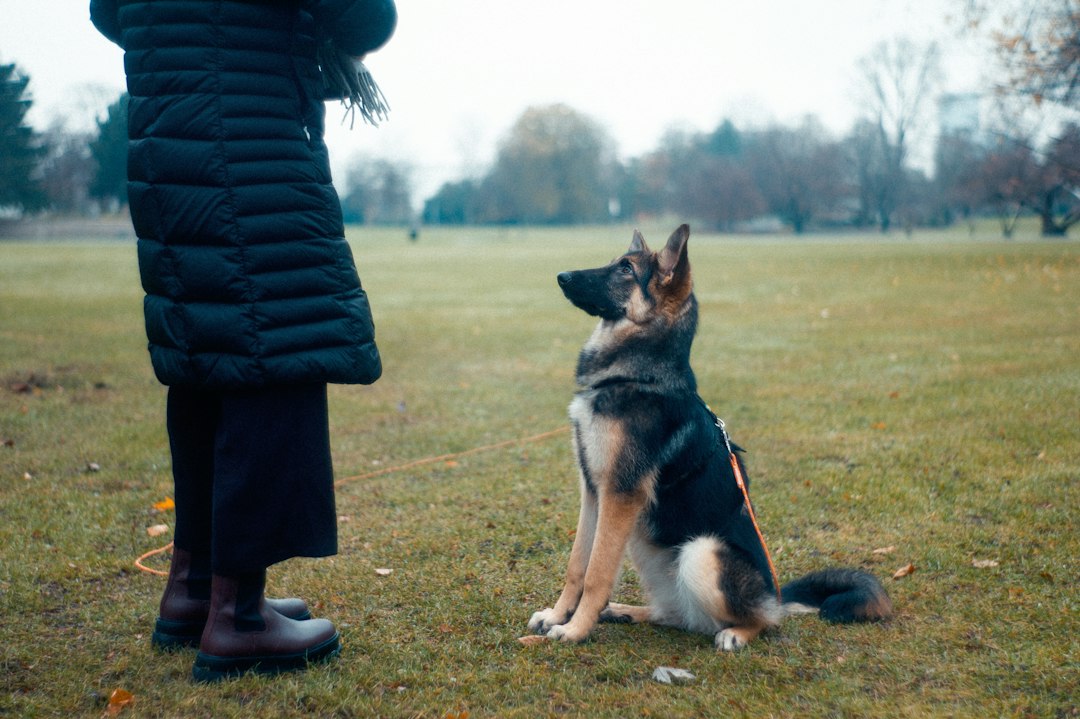
Before we begin, if you want more pet-friendly ideas and updates, explore the training resources on our site at joellives.com/pet-training/. Keep this page handy, bookmark a few sections, and make notes about what you’ll practice this week. Small, consistent sessions add up.
What is positive reinforcement dog training?
In simple terms, your dog repeats what works for them. Positive reinforcement means you add something your dog values immediately after the behavior you like, so that behavior happens more often. It’s not about permissiveness. It’s about clarity, timing, and making good choices easy for your dog. Think of it as teaching by saying yes, then guiding the dog toward the next yes.
Positive reinforcement can use food, toys, play, and access to life rewards such as greeting a friend or sniffing that amazing patch of grass. The reward marks the exact moment your dog did the thing you wanted. Over time, you add cues, build duration and distance, and generalize to tougher locations. You can also phase out frequent food and use a mix of rewards so behavior remains strong without bribery.
This approach is grounded in learning science that has been studied for decades. It is widely used by professional trainers, zoos, and service dog programs because it tends to produce engaged learners, stable results, and low fallout. The skills you’ll practice in this article teach you to communicate clearly, reinforce generously at first, and gradually shape the polished behaviors you’ll use every day.
Benefits for your dog and for you
Most people start training to fix a problem: pulling, jumping, ignoring recalls. Positive reinforcement gives you a toolkit that addresses those problems while building a stronger relationship. Your dog learns that paying attention to you pays. You learn to notice and reward tiny improvements. With practice, your home gets calmer, walks get easier, and your dog offers more of the behavior you like without prompting.
Common benefits include:
- Clear communication: dogs quickly learn which choices work.
- More confidence: success builds optimism, especially in shy or sensitive dogs.
- Lower stress: less conflict and fewer power struggles during daily life.
- Better reliability: thoughtful proofing and consistent reinforcement build steady habits.
- Family-friendly routines: kids and other caregivers can help reinforce simple skills.
There’s another bonus: your dog starts checking in with you more often because you have a history of noticing good behavior. That simple shift—your dog glancing up for guidance instead of barreling ahead—makes everything from door manners to neighborhood walks smoother.
How learning works: the basics you’ll use every day
Three practical pillars guide day-to-day training:
- Timing: Reward at the moment your dog does what you like. A marker word such as “Yes!” or a clicker helps you “freeze” the exact behavior. Marker first, reward second.
- Criteria: Define what you’re reinforcing. Start easy. For a new sit, reinforce any butt movement toward the floor. Then gradually raise the bar to full sits, then longer sits, then sits with distractions.
- Rate of reinforcement: Early learning goes faster with frequent, small rewards. Once a behavior is solid, you can vary the rewards—sometimes food, sometimes play, sometimes life rewards.
You’ll also use three shaping tools:
- Luring: Guide your dog into position with a treat at their nose, then phase out the lure quickly so it doesn’t become a crutch.
- Capturing: Wait for the behavior to happen naturally and mark it. Great for calm on a mat, offered sits, or quiet moments.
- Shaping: Reward small steps toward a goal, like moving toward a bed before lying down, or taking one step back before doing a full backup.
Finally, remember the big picture: management reduces rehearsal of the unwanted behavior while training builds the behavior you want. Baby gates, tethers, and strategic use of crates or pens can make success more likely. Management is not forever; it buys you time while good habits form.
Rewards that matter: food, play, and life rewards
The best reward is the one your dog wants right now. Build a quick reward menu so you can pick the right option in each moment.
- Food: Use soft, pea-sized pieces that your dog can swallow fast. Build variety: meat-based treats, cheese, and kibble mixes keep interest high. Save the jackpots (something amazing) for breakthrough moments.
- Toys and play: Tug, fetch, and chase games can be powerful reinforcers, especially for energetic dogs. Keep sessions short and interactive so the game is part of the reward, not a distraction.
- Life rewards: Open the door to the yard, let your dog greet a friend, or give access to a sniffy spot. When polite behavior unlocks the fun, your dog starts offering it more often.
Rotate rewards to fit the environment. In high-distraction places, bring higher-value food. At home, sprinkle in play or life rewards. Over time, you’ll shift from continuous rewards to variable reinforcement, which helps maintain behavior with fewer treats while keeping your dog motivated.
Setting up your environment and tools
Preparation makes every minute of training easier. Here’s a short checklist to set you up:
- Marker: Choose a short, crisp word like “Yes!” or use a clicker. Be consistent.
- Treat pouch: Keep rewards accessible so you can reinforce quickly.
- Leashes: A 6-foot leash for neighborhood walks and a long line (15–30 feet) for recall practice in open areas.
- Harness or collar: For pullers, a well-fitted front-clip harness can give you more control while training polite walking.
- Mat or bed: A specific place to settle makes household manners predictable.
- Gates and tethers: Manage access to exciting places while training calmer behavior.
Pick two or three quiet locations to begin: a living room corner, a hallway, or the backyard. Early success builds confidence. As your dog improves, practice in busier places—front yard, sidewalk, park—using distance to keep the difficulty appropriate.
Foundation skills: attention, marker, sit, down, touch, leave it, drop, recall
These are the skills most households use daily. Aim for short, upbeat sessions of 3–5 minutes, two or three times a day.
Attention (name response)
- Say your dog’s name once. When your dog glances at you, mark and reward.
- Repeat in different rooms, then with mild distractions. Add a tiny step back before rewarding so your dog moves toward you.
Marker savvy
- Say your marker word, then feed a treat. Do 10 reps. Your dog learns that the marker predicts a reward.
- Use the marker when the dog performs a behavior you like; deliver the reward after the marker, not before.
Sit and down
- Lure into position once or twice, then fade the lure and add a hand signal. Mark the moment the butt hits the ground (sit) or elbows touch (down), then reward.
- Build duration by feeding several treats one by one while your dog remains in position, then release with a cheerful word like “Free!”
Touch (nose target)
- Hold your palm near your dog’s nose. When they boop your hand, mark and reward. This becomes a steering wheel for moving your dog gently.
- Use touch to guide through doorways or to redirect attention during walks.
Leave it
- Place a treat in a closed fist. When your dog backs off, mark and reward from the other hand. Open the fist only when your dog disengages calmly.
- Build to items on the floor and then to real-life distractions. Reinforce generously for making good choices.
Drop (give)
- Trade: present a treat at your dog’s nose; when they drop the object, mark and reward, then give the object back sometimes so the cue doesn’t always end the game.
- Gradually fade the treat and cue “Drop” before you present the reward. Pay big for fast drops.
Recall (come)
- Start on a long line in a boring place. Say “Come!” once, then move backward a few steps. Mark when your dog turns and races to you. Reward with a party.
- Keep recalls short, fun, and rewarding. In new places, use the long line so your dog succeeds without risky off-leash guesses.
House manners without drama: jumping, barking, chewing, doorways
Etiquette grows from two ingredients: management that limits rehearsals of unwanted behavior, and reinforcement for the alternative you prefer.
Jumping
- Prevent rehearsals: clip the leash before greetings, step on the leash to limit spring-load, or ask for a quick sit.
- Reward four paws on the floor with attention and treats. If jumping happens, step back and wait for calm, then resume the greeting.
Barking
- Identify triggers: passersby, boredom, sudden noises. Close blinds, use white noise, or offer enrichment to reduce arousal.
- Teach a “quiet” pattern: mark and reward even a second of silence after a bark, then extend the gap gradually.
Chewing and stealing
- Provide legal chew items matched to your dog’s preferences. Rotate them to keep novelty.
- Manage counters and trash. Reinforce “Drop” and “Leave it.” Praise your dog when they choose a legal item without being asked.
Door manners
- Practice a sit or a settle on a mat while you touch the doorknob, open an inch, then close again. Reward calm at each step.
- Gradually open fully and step through while your dog holds position. Release your dog to go out as a life reward.
Leash walking without pulling
Polite walking is a skill, not a personality trait. Teach it in layers, then take it on the road.
Build value for being near you
- In a quiet place, mark and reward any step at your side with a loose leash. Feed where you want your dog’s head to be.
- Walk two or three steps, feed, then release to sniff. Alternate these bursts so your dog learns that checking in and walking near you unlocks both food and sniffing.
Use smart patterns outdoors
- If the leash tightens, stop and wait for slack or a glance back, then mark and move forward as the reward. Avoid repeated tug-of-war; pauses and strategic U-turns are clearer.
- Reinforce frequently at first—every few steps. Over time, stretch the distance between rewards, but keep surprise bonuses for especially nice walking.
Try the figure‑eight
- Set two cones or landmarks 10 feet apart. Walk a slow figure‑eight, marking every time your dog reorients to follow your turn. This builds attention and smooth turns.
For strong pullers, a well-fitted front‑clip harness can give you leverage while you build the habit of slack leash walking. Keep sessions short and positive.
Socialization and confidence building
For puppies and newly adopted dogs, gentle exposure to the world pays off later. Socialization means creating positive experiences around sights, sounds, people, dogs, surfaces, and handling—not flooding the dog with more than they can process.
Make a short list of experiences and pair them with rewards:
- People of different ages and clothing styles observed at a comfortable distance.
- Calm, friendly dogs seen from afar before any greeting attempts.
- Novel surfaces like rubber mats, grates, or sand, explored voluntarily.
- Household sounds (blender, vacuum) at low volume while feeding treats.
Use the “open bar/closed bar” rule: when the new thing appears, treats flow; when it goes away, the bar closes. The dog learns that strange things predict good stuff. Watch body language—soft eyes, loose mouth, easy tail wag, and a willingness to eat are good signs. If your dog tenses or refuses food, add distance and slow down.
Puppy schedule and adapting plans for adult or rescue dogs
Puppies learn quickly and nap often. Short, predictable routines help everyone succeed. Adult or rescue dogs may arrive with habits, but the same structure still works—just go at their pace.
A sample puppy day
- Morning: potty break; 3–5 minutes of name game and touch; breakfast on a snuffle mat; short walk; nap.
- Midday: potty break; 3 minutes of sit–down–sit; quiet crate time with a safe chew; nap.
- Afternoon: potty break; 5 minutes of recall on a long line; play; nap.
- Evening: potty break; 5 minutes of loose‑leash practice; dinner in a puzzle feeder; settle on a mat while you watch TV.
For adult or rescue dogs
- Assume they need decompression time. Keep the first week calm, predictable, and low‑pressure.
- Reinforce all the good you see: quiet resting, polite eye contact, gentle greetings.
- Introduce training games as short, easy wins. Let the dog choose to engage.
Across ages, sleep, enrichment, and balanced activity are your friends. Dogs think better when they’re rested and not over-stimulated.
Troubleshooting common snags and debunking myths
When progress stalls, a few quick checks often help:
- Criteria too high: Make the task easier—shorter duration, closer distance, or quieter environment.
- Reward value too low: Use better food or add play; pay more frequently for a while.
- Rehearsal of the old habit: Increase management so the unwanted behavior doesn’t keep getting practice.
- Unclear feedback: Revisit your marker timing. Film a session to see where you can improve.
Myths worth retiring:
- “He should do it without treats.” Rewards are paychecks. Once behavior is solid, you can vary the reinforcers, but early learning goes faster when the dog sees value.
- “He’s being stubborn.” Most of the time, the dog is confused, distracted, or the environment is too hard. Adjust conditions instead of pushing through.
- “Corrections are required.” Clear instruction plus reinforcement and thoughtful management can shift most everyday behaviors. If you’re stuck, get help from a credentialed trainer who uses modern, humane methods.
Progress tracking, generalization, and maintenance
Training sticks when you track what’s working and keep building small wins into real-world habits.
Track
- Write down your starting point (e.g., “can hold a 2‑second sit in the kitchen”).
- Set a realistic next step (“5 seconds with me taking one step away”).
- Log three sessions per week. If two in a row go well, move up one notch. If you struggle twice, step back.
Generalize
- Practice the same behavior in new rooms, then the yard, then the sidewalk. Change one variable at a time: distance, duration, distraction.
- Sprinkle short “maintenance reps” during daily life. Ask for a sit before meals or a touch at the front door.
Maintain
- Shift to variable reinforcement. Sometimes it’s a treat, sometimes praise and a quick play burst, sometimes you release to sniff.
- Keep surprise jackpots for standout efforts, like a lightning‑fast recall or beautiful loose‑leash sequence near squirrels.
Maintenance is not about doing less; it’s about weaving training into routine moments so your dog keeps choosing well without constant prompts.
Advanced skills and enrichment games
Once your foundations are reliable, add fun challenges that strengthen focus and impulse control while keeping your dog engaged.
Go to mat (settle)
- Toss a treat onto the mat. When your dog steps on it, mark and treat. Reinforce any sit or down on the mat. Add a cue like “Place” and build duration.
Middle (stand between your legs)
- Useful for busy sidewalks and confidence. Lure through from behind, mark when centered, then reward. Add a cue and practice in different spots.
Hand target to heel position
- Use touch to guide your dog into the walking position you like. Mark and reinforce the lined‑up moment. Chain a few steps.
Enrichment games
- Scatter feeding in the yard to encourage sniffing and calm exploration.
- DIY puzzles: muffin tins with tennis balls covering treats; cardboard box searches.
- Hide‑and‑seek recalls in the house to keep the recall cue exciting.
These games work best when you keep arousal balanced—fun, but with easy wins. If your dog gets too wound up, insert brief calm breaks on a mat before resuming.
Safety, ethics, and getting help
Safety starts with thoughtful setups: avoid off‑leash risks in unsecured areas, use long lines for recall practice, and choose humane equipment that fits well. If a situation feels too intense for your dog, create distance and try again later with lower criteria.
Ethically, modern training emphasizes kindness, clarity, and informed choice. Pay attention to your dog’s body language—licking lips, yawns, pinned ears, tucked tail, and tense posture can signal discomfort. Adjust when you see those signs. A well-timed break can help your dog regroup and return ready to learn.
For complex issues—such as persistent reactivity, fear, or aggression—consider working with a credentialed professional who relies on reward-based methods. Look for qualifications, transparent methods, and a plan that includes management, foundation skills, and stepwise progress you can measure.
Putting it all together: a 14‑day starter plan
Use this outline to turn ideas into action. Keep sessions short and end on a win.
- Days 1–3: Name game, marker pairing, sit and down in a quiet room. Two sessions daily. Reinforce generously.
- Days 4–6: Touch and leave it. Add a mat and reinforce any calm contact with it. Begin short figure‑eight walks indoors.
- Days 7–9: Recall on a long line in the yard. Practice door manners with tiny steps. Add one short, quiet sidewalk session.
- Days 10–12: Loose‑leash walking in a low‑distraction area. Sprinkle in surprise rewards for attention and slack leash.
- Days 13–14: Put skills into a mini routine: sit at doors, touch to move between rooms, short recall game, then settle on a mat while you cook or read.
At the end of two weeks, compare your notes to day one. You’ll likely see clearer attention, a faster sit, better response to “Leave it,” and smoother moments on leash. Keep going, one small step at a time.
Quick reference: common goals and sample criteria ladders
Use these ladders to design your own steps.
Reliable sit
- Step 1: Lure into sit; mark; treat.
- Step 2: Hand signal without lure; mark; treat.
- Step 3: Add 2 seconds duration; feed two treats while seated; release.
- Step 4: Add one step away, then return and treat.
- Step 5: Practice near the front door with the knob touch as a distraction.
Recall
- Step 1: Indoors at 6–8 feet; mark the turn toward you; reward big.
- Step 2: Hallway sprints; reward with play.
- Step 3: Yard with a long line; light distractions at a distance.
- Step 4: Park perimeter on long line; add a second caller as a distraction.
- Step 5: Continue variable rewards; keep surprise jackpots in new places.
Loose‑leash walking
- Step 1: Two steps indoors, mark and feed at your side.
- Step 2: Five steps, then sniff break.
- Step 3: Indoor figure‑eight with cone turns.
- Step 4: Front yard; mark glances up and slack leash.
- Step 5: Short sidewalk loops; pause when the leash tightens, move when it loosens.
Family coordination and multi‑dog homes
Consistent cues and rules make training easier. Pick short cue words, write them on a sticky note, and put it on the fridge. If you say “Down” for lie‑down and another family member says “Lay,” your dog gets mixed messages. Choose one.
With children, coach them to toss treats on the floor for four‑on‑the‑floor greetings and to ask for simple behaviors like touch. Avoid asking kids to restrain or discipline dogs. Keep interactions short and supervised.
For multi‑dog homes, train one dog at a time, then queue quick turns. Use baby gates or tether points so waiting dogs can’t rehearse crowding or stealing rewards. Reward calm waiting as much as the working dog’s reps. Rotate roles often so each dog learns to focus during both working and waiting.
Enrichment and rest: the silent partners of good behavior
Balanced activity and recovery set the stage for learning. A mix of sniffy walks, puzzle feeders, soft tug, and short training sessions often leads to calmer evenings. Many dogs behave better when given one to two structured nap windows during the day away from household bustle. If your dog is wound up, try a decompression walk—on a long line, at your dog’s pace, in a quiet area—then practice one or two easy skills at home.
Remember, training is not a sprint. Reward tiny steps, celebrate the good you see, and keep sessions short enough that both of you want to come back for more tomorrow.
Use this guide as a living blueprint. Try one section at a time, make notes, and adjust for your dog. With clear cues, thoughtful reinforcement, and steady practice, you’ll build habits that make daily life easier and more enjoyable for both of you.